As More Companies Consider Expanding into Vietnam, Hiring Becomes a Major Challenge
In recent years, Vietnam has become one of the most attractive destinations for Japanese companies, not only in manufacturing but also in IT, software development, sales, and back-office operations. With a young and highly capable workforce and relatively competitive labor costs, an increasing number of companies are considering Vietnam as a base for business expansion and new market development.
However, one of the first challenges companies face is how to legally hire employees in Vietnam.
Under normal circumstances, hiring employees in Vietnam requires establishing a local legal entity, signing employment contracts, managing payroll, enrolling employees in social insurance, filing personal income tax, and complying with various labor regulations. For companies entering Vietnam for the first time, these administrative and legal requirements can become a significant burden.
This is where an Employer of Record (EOR) service has gained significant attention.
By using an EOR, companies can legally hire employees in Vietnam without establishing a local entity, allowing them to launch their business much more quickly.
This article explains the benefits of using an EOR in Vietnam, common use cases, and the differences between an EOR and establishing a local subsidiary.
What Is an Employer of Record (EOR)?
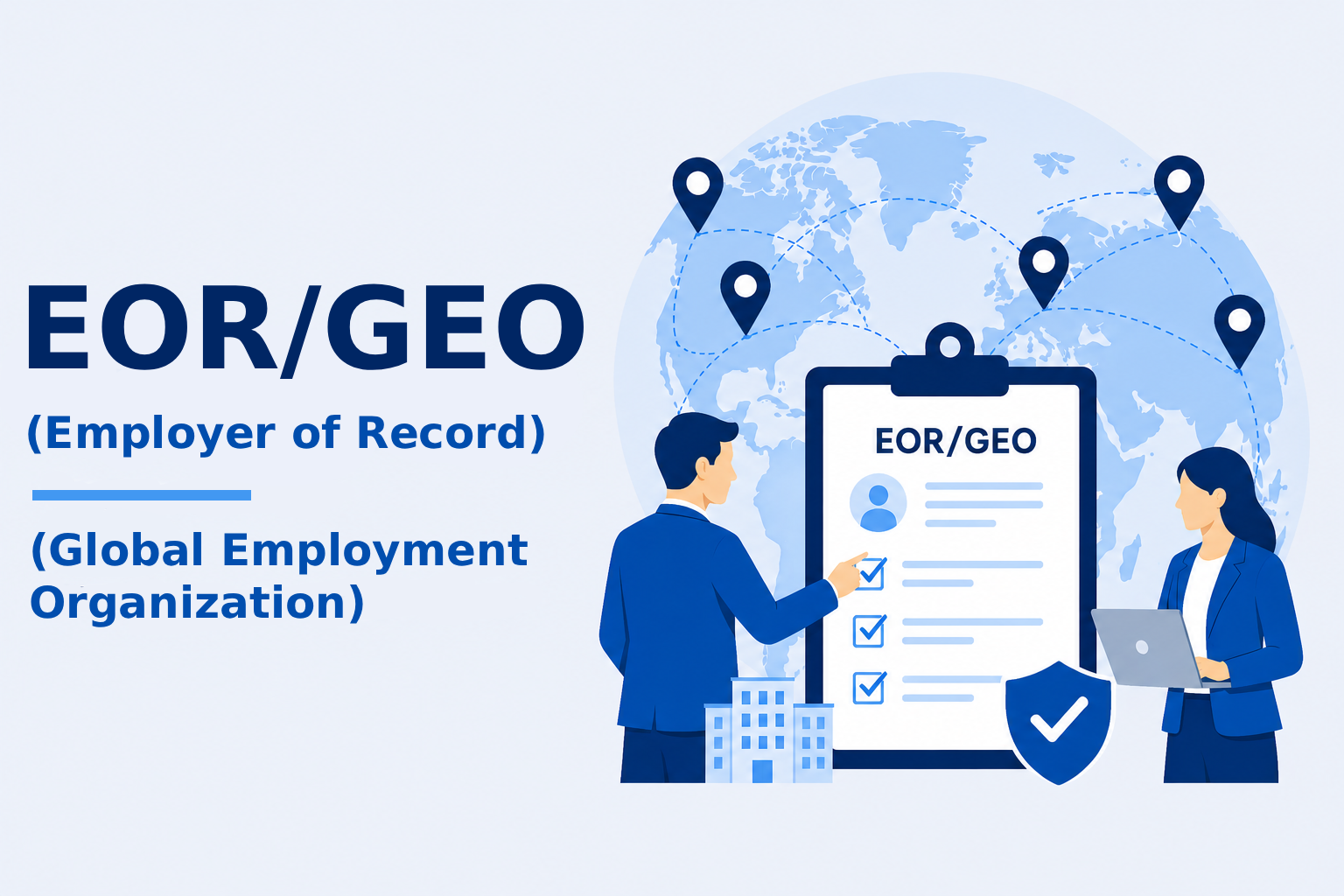
An Employer of Record (EOR) is a service in which a local company becomes the legal employer on behalf of another company.
While the client company selects candidates and manages their day-to-day work, the EOR provider is responsible for employment-related administration, including:
• Employment contract preparation and execution
• Payroll calculation
• Salary payment
• Social insurance registration and administration
• Personal income tax filing and payment
• Labor law compliance
• HR and labor administration
• Employee offboarding and termination procedures
This enables the client company to focus on managing its employees and business operations while outsourcing complex legal, HR, and payroll responsibilities to specialists.
Why Is EOR Becoming Increasingly Popular in Vietnam?
In the past, overseas expansion generally began with establishing a local subsidiary.
Today, however, many companies prefer to:
• Hire one or two employees first
• Start with market research and business development
• Build a small development team
• Validate business opportunities before establishing a company
In these situations, an EOR often represents a more practical and cost-effective solution.
In addition, Vietnam's labor laws and social insurance regulations are updated regularly. Using an experienced EOR provider helps companies remain compliant with changing regulations while focusing on business growth.
Seven Benefits of Using an EOR in Vietnam
1. Hire Employees Without Establishing a Local Entity
Perhaps the greatest advantage of an EOR is that companies can legally hire employees without first incorporating a local company. Normally, company registration involves licensing procedures, bank account setup, tax registration, and other administrative requirements. An EOR removes these barriers and significantly shortens the time required to enter the Vietnamese market.
2. Faster Recruitment
In today's competitive market, hiring speed directly impacts business success. Since there is no need to wait for company incorporation, recruitment and onboarding can proceed much faster. This is particularly valuable when competing for talented engineers, IT professionals, and experienced sales staff.
3. Outsource Payroll, HR, and Social Insurance
Vietnam requires employers to manage employment contracts, payroll, social insurance, health insurance, unemployment insurance, personal income tax, and ongoing HR administration. Because regulations change frequently, handling these tasks internally can be difficult. An EOR manages these responsibilities professionally while supporting legal compliance.
4. Reduce Compliance Risks
Compliance with local labor regulations is critical for every foreign company. Errors involving employment contracts, tax filings, or social insurance can lead to penalties or administrative sanctions. An experienced EOR minimizes these risks by operating in accordance with Vietnamese law.
5. Lower Initial Investment and Fixed Costs
Establishing a local company requires incorporation costs, office setup, accounting services, tax advisors, and internal administrative resources. With an EOR, companies only pay for the employees they hire, reducing initial investment while maintaining flexibility.
6. Ideal for Market Testing
Companies that wish to place one sales representative, conduct market research, or validate customer demand can begin operations quickly through an EOR. Once the business proves successful, they may later establish their own legal entity.
7. Greater Flexibility for Business Changes
International business strategies often change. Companies using an EOR can generally scale teams up or down more easily without dealing with the complexities of dissolving a legal entity, making EOR especially attractive during the early stages of overseas expansion.
Which Companies Should Consider an EOR?
An EOR is particularly suitable for companies that:
• Are entering Vietnam for the first time
• Want to test the market before establishing a company
• Plan to begin operations with a small team
• Need to recruit Vietnamese engineers
• Want to hire only sales representatives initially
• Prefer to outsource HR and payroll administration
For organizations planning to hire several hundred employees and operate long-term in Vietnam, establishing a local entity may ultimately be a better option.
EOR vs. Establishing a Local Entity
EOR offers faster hiring, no incorporation requirements, lower initial costs, outsourced payroll, HR, tax, and social insurance administration, and is ideal for small teams and market entry. Establishing a local entity provides greater long-term independence but requires more time, higher investment, and internal administration. The right choice depends on business objectives and expansion plans.
Key Considerations When Choosing an EOR Provider in Vietnam
When selecting an EOR provider, evaluate not only pricing but also expertise in Vietnamese labor law, payroll and social insurance experience, Japanese-language support, transparent contracts and pricing, emergency response capability, and a proven operational track record. Reliable communication is especially important for Japanese companies.
JOBLINKS EOR Services
JOBLINKS provides EOR and HR services in Vietnam to support Japanese companies expanding into the Vietnamese market.
Our EOR service includes employment contracts, payroll processing, social insurance administration, tax compliance, and labor management, allowing clients to focus on growing their business.
With support available in Japanese, English, and Vietnamese, we provide a reliable environment for companies entering Vietnam for the first time.
Whether you would like to hire just one employee or begin operations before establishing a local subsidiary, JOBLINKS offers flexible solutions tailored to your needs.
Conclusion
Successfully expanding into Vietnam requires both speed and compliance.
An EOR enables companies to hire employees legally without establishing a local entity while outsourcing payroll, social insurance, taxation, and HR administration to experienced professionals. As a result, businesses can devote more time and resources to sales, product development, and strategic growth.
For companies planning to enter Vietnam or test the market with a small team, an EOR represents an effective and practical solution.
JOBLINKS is committed to supporting Japanese companies entering Vietnam through comprehensive EOR services. If you have any questions regarding hiring or employment in Vietnam, please feel free to contact us.